Bill Payment App Guide For Easier Monthly Expense Control
Introduction
A bill payment app can help users pay regular bills through a mobile phone. It may support electricity bills, mobile recharges, broadband payments, gas bills, water bills, credit card dues, insurance premiums, loan EMIs, and other recurring payments. Instead of visiting different websites or offline counters, users can manage multiple payments from one digital platform.
However, bill payments should be handled carefully. Users should check the biller name, consumer number, due date, payable amount, payment status, and receipt after every transaction. A bill payment app can make payments easier, but financial discipline still depends on tracking expenses and paying dues on time.
Savings Awareness After Introduction
An FD can help users keep money aside for future needs while managing monthly bills separately. If all money remains in a regular spending account, users may spend more than planned and struggle when bill due dates arrive.
An FD may support better savings discipline because funds are kept for a selected period. However, users should also maintain enough balance for monthly bills and emergency needs. Before locking money in an FD, users should check liquidity needs, maturity date, interest rate, and possible premature withdrawal rules.
What Is A Bill Payment App
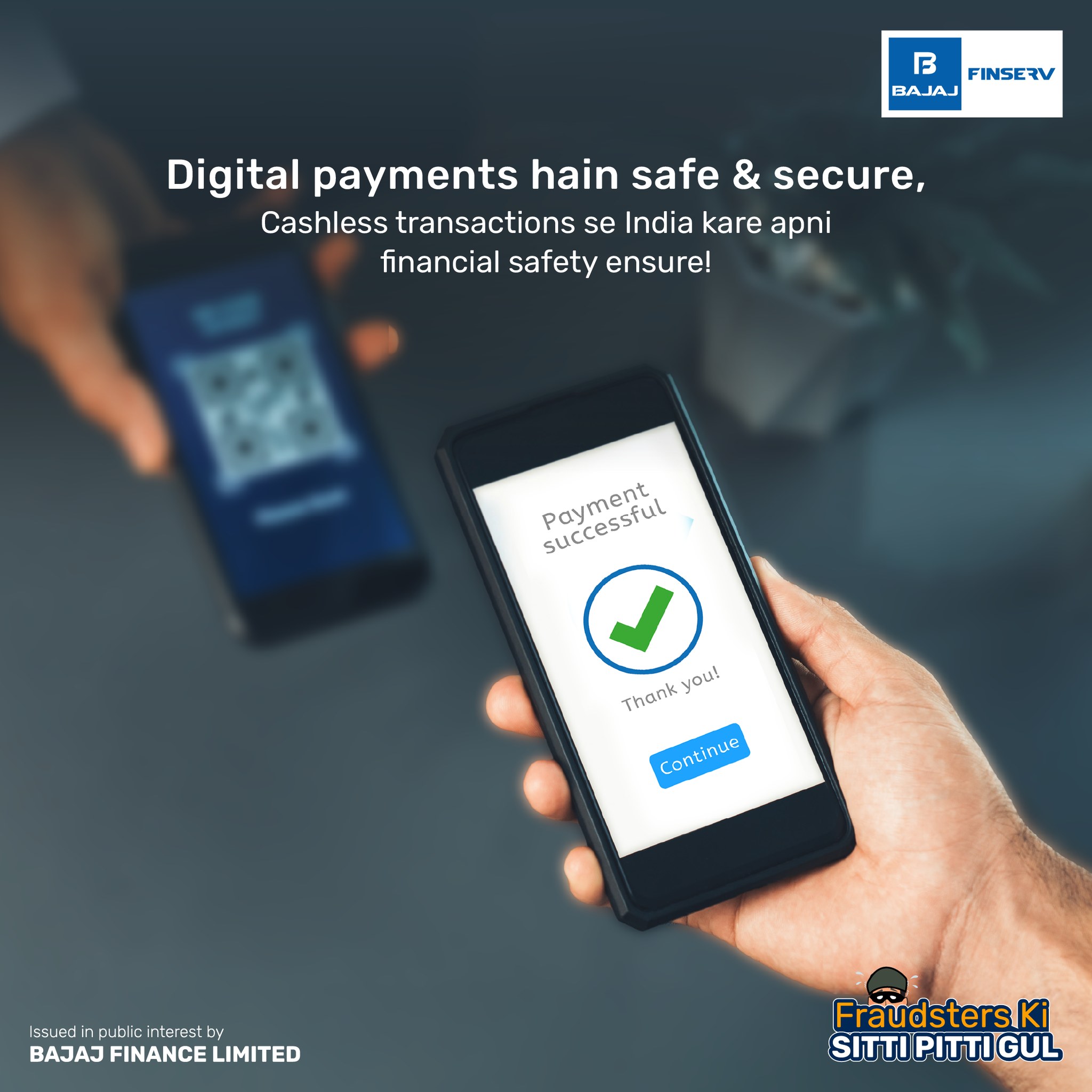
A bill payment app is a digital platform that allows users to pay different bills online. It connects users with billers or payment systems and helps process transactions through supported payment methods such as UPI, cards, net banking, or wallet balance.
The app may show bill details, due dates, payment history, reminders, receipts, and transaction status. Some apps may also allow users to save billers so future payments can be completed faster.
The main purpose of a bill payment app is to make recurring payments more organised and convenient.
Common Bills Paid Through Apps
Bill payment apps can support several everyday payment needs.
Common bills include:
- Electricity bill
- Water bill
- Gas bill
- Mobile recharge
- Broadband bill
- DTH recharge
- Credit card bill
- Insurance premium
- Loan EMI
- FASTag recharge
- Rent payment, where supported
- Municipal tax, where available
Users should always confirm that the biller is correct before completing payment.
How A Bill Payment App Works
The process may differ by platform, but most bill payment apps follow a simple flow.
Select Bill Category
The user chooses the bill type such as electricity, mobile, gas, or broadband.
Add Biller Details
The user enters details such as consumer number, mobile number, account ID, or customer ID.
Fetch Bill Amount
The app may fetch the bill amount and due date from the biller.
Review Details
The user checks biller name, amount, due date, and account details.
Choose Payment Method
The user selects a payment option such as UPI, card, net banking, or wallet.
Save Receipt
After payment, the user saves the receipt or transaction reference.
Benefits Of Using A Bill Payment App
A bill payment app can make monthly payment management easier when used carefully.
Convenience
Users can pay bills from a mobile phone without visiting separate counters.
Time Saving
Multiple bills can be paid from one place.
Payment Reminders
Reminders can help users avoid missing due dates.
Digital Records
Receipts and payment history can be stored for reference.
Faster Tracking
Users can review paid, pending, or failed transactions.
Better Expense Visibility
Regular bill records can help users understand monthly fixed expenses.
Payment Safety Checks
Safety is important while paying bills online. Users should avoid rushing through payment screens.
Useful safety checks include:
- Use official apps only
- Check biller name carefully
- Verify consumer number
- Confirm amount before paying
- Avoid unknown payment links
- Do not share OTP or PIN
- Keep phone locked
- Review transaction alerts
- Save payment receipt
- Report failed or suspicious payments quickly
A small mistake in biller details can lead to payment delays or incorrect transactions.
Managing Failed Or Pending Payments
Sometimes, a payment may show as failed or pending even after the amount is debited. Users should not immediately pay again without checking the status.
A safer approach includes:
- Check transaction history
- Wait for status update
- Save transaction ID
- Check bank debit message
- Contact app support if needed
- Contact biller if payment is not updated
- Avoid repeated payments for the same bill
If the amount is debited but the bill is not updated, the refund or confirmation may take some time depending on the payment system and biller.
Expense Tracking Through Bill Payment History
Bill payment history can help users understand fixed monthly expenses. Electricity, mobile, broadband, rent, insurance, and loan payments usually repeat every month. Reviewing these records can help users create a more realistic budget.
Users can compare monthly bill amounts to identify unusual increases. For example, a sudden rise in electricity or mobile bill can be reviewed early. This helps users reduce unnecessary spending and avoid late fees.
Mistakes To Avoid While Paying Bills
Users should avoid common mistakes that can create payment issues.
Paying Without Checking Biller Details
Incorrect biller selection can delay payment confirmation.
Ignoring Due Dates
Late payments may lead to penalties or service disruption.
Not Saving Receipts
Receipts are useful if there is a dispute.
Using Unverified Links
Fake payment links may lead to fraud.
Paying Twice Too Quickly
Users should check failed or pending status before retrying.
Ignoring Monthly Budget
Frequent payments without tracking can disturb overall spending plans.
Bill Payment App For Budget Planning
A bill payment app can support budgeting because it shows regular payment records. Users can separate fixed bills from optional expenses and plan monthly cash flow more clearly.
A simple budgeting habit can include:
- Listing all monthly bills
- Checking due dates
- Keeping bill money separate
- Setting reminders
- Reviewing payment history
- Tracking unusual bill increases
- Avoiding late fees
- Saving receipts
- Reviewing subscriptions
- Maintaining emergency funds
This can help users stay organised throughout the month.
Loan Planning Before Taking New Debt
A personal loan calculator can help users estimate EMI before taking a loan for planned or urgent expenses. Since monthly bills already affect cash flow, borrowers should check whether a new EMI will fit comfortably.
A personal loan calculator usually requires loan amount, interest rate, and tenure to estimate EMI. Using a personal loan calculator before applying can help users compare repayment options and avoid taking a loan that creates pressure on regular bill payments.
Conclusion
A bill payment app can make monthly payments easier by helping users pay bills, set reminders, track receipts, and review payment history in one place. It can reduce manual effort and improve payment discipline when used carefully.
Before paying any bill, users should verify biller details, amount, due date, and transaction status. Responsible bill payment habits can help users avoid late fees, manage expenses better, and maintain stronger control over monthly finances.