Trading App Selection Factors For Better Trading
Choosing the right Trading App plays an important role in how effectively an individual can participate in financial markets. With the growing use of digital platforms, traders now rely on mobile and web-based systems to place orders, track market movements, and manage holdings. A Trading App acts as a bridge between the trader and the exchange, making its selection a critical decision.
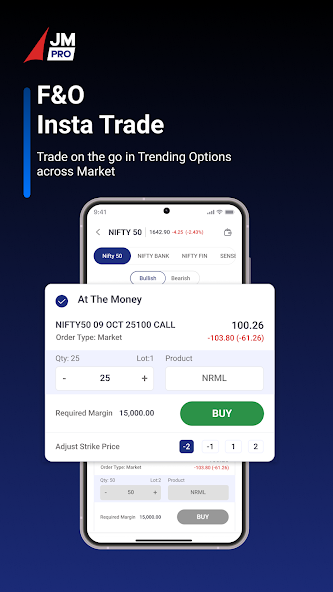
Before starting any trading activity, users must also understand the importance of a Demat Account, as it is required to hold securities in electronic form. The Trading App and Demat Account work together, allowing investors to buy, sell, and monitor assets in a structured manner. This explains the essential factors to consider when selecting a Trading App to support better trading decisions.
Understanding the Role of a Trading App
A Trading App allows users to access market data, place trades, and manage their portfolio using digital devices. These platforms are designed to simplify the trading process while providing essential information such as price movements, order status, and account details.
When connected with a Demat Account, a Trading App enables secure storage of purchased securities and ensures smooth settlement of trades. The overall trading experience depends on how well the app performs these basic functions without delays or errors.
Importance of Account Integration
Trading App and Demat Account Connectivity
One of the first factors to consider is how smoothly the Trading App integrates with a Demat Account. Seamless connectivity ensures that trades are executed correctly and holdings are updated without issues. Any mismatch between the app and the account may lead to delays or confusion during trading.
Ease of Account Setup
The process of linking a Demat Account with a Trading App should be simple and clearly guided. An app that provides clear instructions, document upload support, and transparent verification steps helps users get started without unnecessary hurdles.
User Interface and Navigation
Simple Layout Design
A Trading App should offer a clean and organized interface. Users should be able to find essential features such as order placement, portfolio view, and market data without difficulty. A clutter-free design reduces the chances of errors during trading.
Accessibility Across Devices
Consistency across mobile, tablet, and desktop platforms is another important factor. A Trading App that functions well on multiple devices allows traders to monitor their Demat Account and trades anytime, ensuring better control over decisions.
Order Execution and Reliability
Speed and Accuracy
Order execution speed directly impacts trading outcomes. A Trading App must process buy and sell orders accurately and without delays. Even minor delays can affect pricing, especially in fast-moving markets.
Stability During Market Hours
The app should remain stable during peak trading hours. Frequent downtime or slow response can interrupt access to the Demat Account and limit trading opportunities. Reliability builds trust and supports consistent usage.
Market Information and Data Availability
Real-Time Price Updates
Access to updated price data is essential for informed decision-making. A Trading App should display real-time or near real-time market information, helping traders evaluate opportunities before placing orders.
Basic Analysis Tools
While avoiding complex features, the app should provide basic charts, price history, and volume data. These tools help users review trends and understand asset behavior within their Demat Account holdings.
Security and Data Protection
Account Safety Measures
Security is a critical aspect of any Trading App. Features such as login authentication, session timeouts, and encrypted data handling help protect user information and Demat Account details.
Transaction Confirmation
Clear confirmation messages after order placement or fund movement reduce uncertainty. A reliable Trading App ensures that users are informed at every step of the trading process.
Cost Structure and Transparency
Clear Fee Details
Understanding charges related to trades, account maintenance, and other services is important. A Trading App should clearly display applicable costs without hidden conditions, allowing users to evaluate expenses realistically.
Value for Regular Usage
Instead of focusing on low pricing alone, users should consider whether the Trading App provides consistent service quality in relation to its cost. Balanced pricing supports long-term trading activity.
Customer Support Availability
Responsive Assistance
Access to customer support helps resolve technical or account-related concerns. A Trading App with structured support channels such as chat or email offers reassurance during trading hours.
Educational Guidance
Basic help sections, frequently asked questions, and usage guides add value for users. These resources help traders understand how the app interacts with their Demat Account and trading activities.
Compliance and Regulatory Alignment
A Trading App should follow applicable market regulations and operational standards. Compliance ensures fair practices and protects users from operational risks. Regulatory alignment also supports accurate reporting and transaction records linked to the Demat Account.
Regular Updates and Performance Improvements
System Enhancements
Periodic updates indicate that the Trading App is being actively maintained. Updates may improve speed, fix issues, or enhance usability without disrupting existing Demat Account access.
Feedback Consideration
Apps that adapt based on user feedback tend to offer better long-term experiences. Continuous improvement supports smoother trading operations.
Conclusion
Selecting the right Trading App requires careful evaluation of functionality, reliability, security, and ease of use. Since every trade is closely connected to a Demat Account, smooth integration between the two is essential for effective market participation. A well-structured Trading App supports accurate order execution, clear portfolio tracking, and secure data handling.
Before committing to any platform, users should review usability, stability, cost transparency, and support availability. By choosing a Trading App that aligns with these practical factors, traders can manage their Demat Account efficiently and make informed decisions over time. A thoughtful selection process ultimately leads to better trading experiences and improved control over financial activities.